



A COMMUNITY-ENGAGED RESEARCH PROJECT FROM THE CHATR LAB, SFU URBAN STUDIES, AND THE SOUTH VANCOUVER NEIGHBOURHOOD HOUSE
Youth are the future we should be planning for.
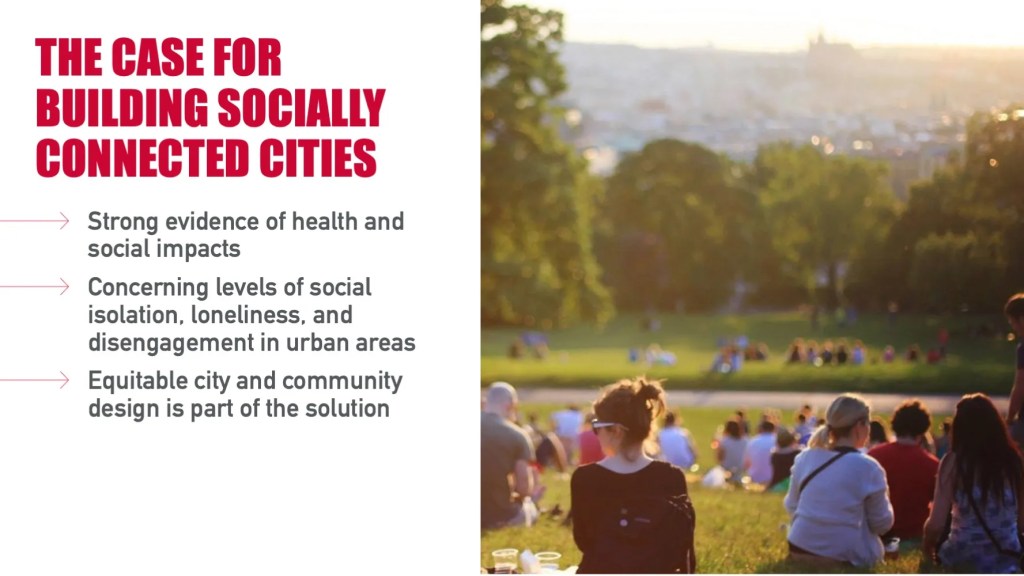
The way we build our neighbourhoods shapes our social connectedness, including opportunities to hang out with family and friends, chat with neighbours, gather as a community, or simply feel like we belong. Research shows that connection matters for our health and wellbeing just as much as eating healthy and staying active. But neighbourhoods aren’t always designed with social connectedness in mind, especially for youth, whose voices are traditionally overpowered in the process of city building.
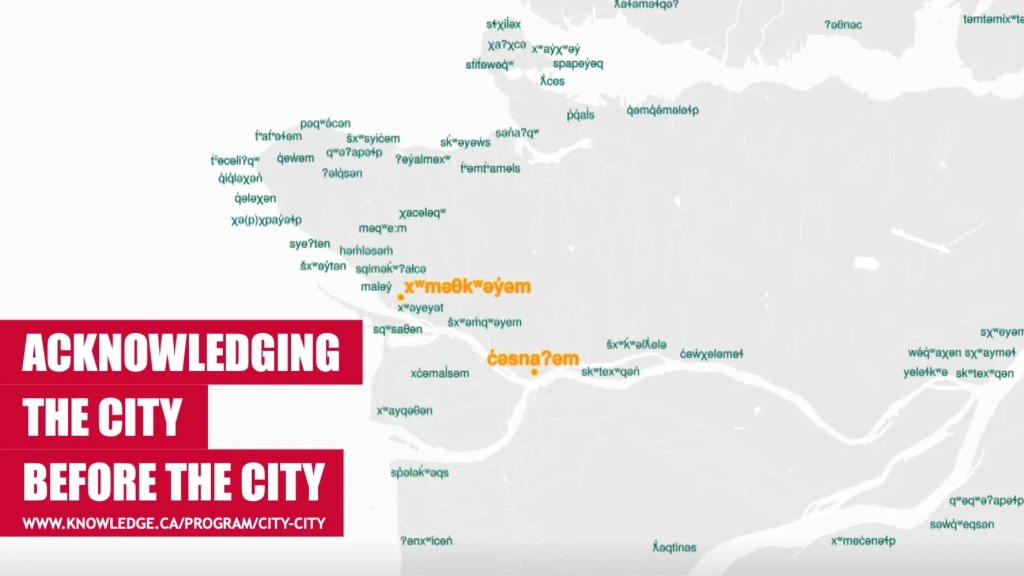
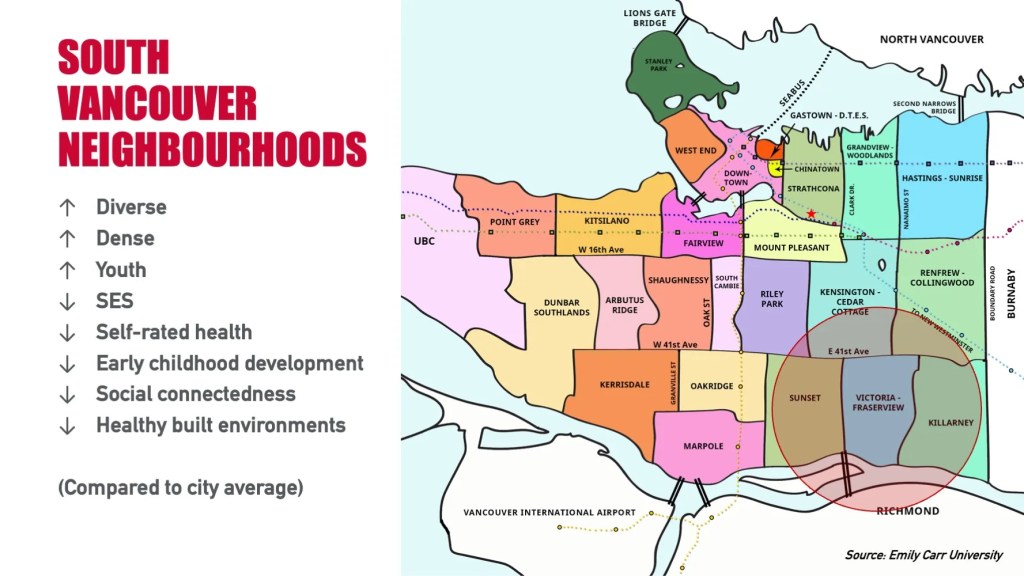
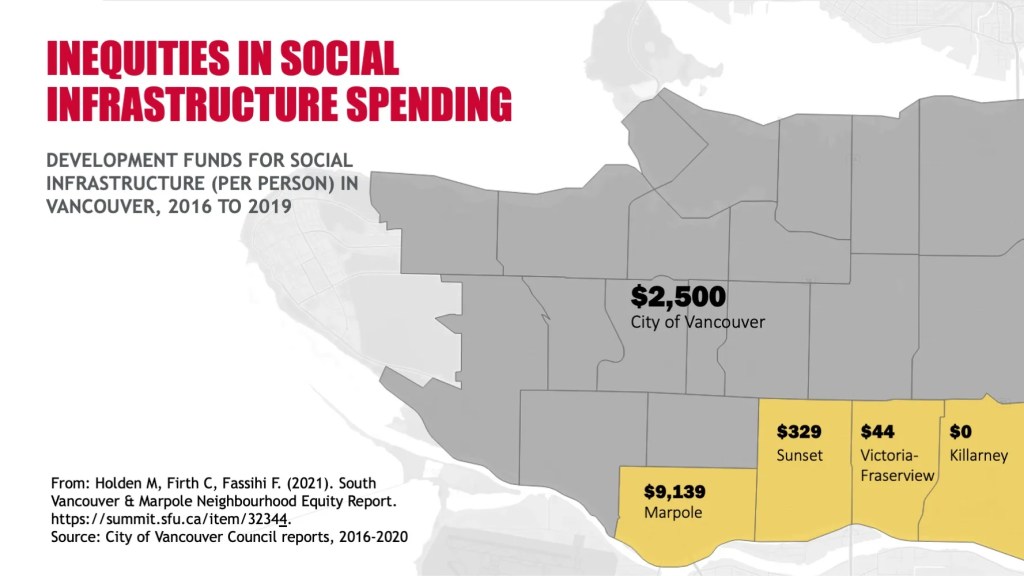
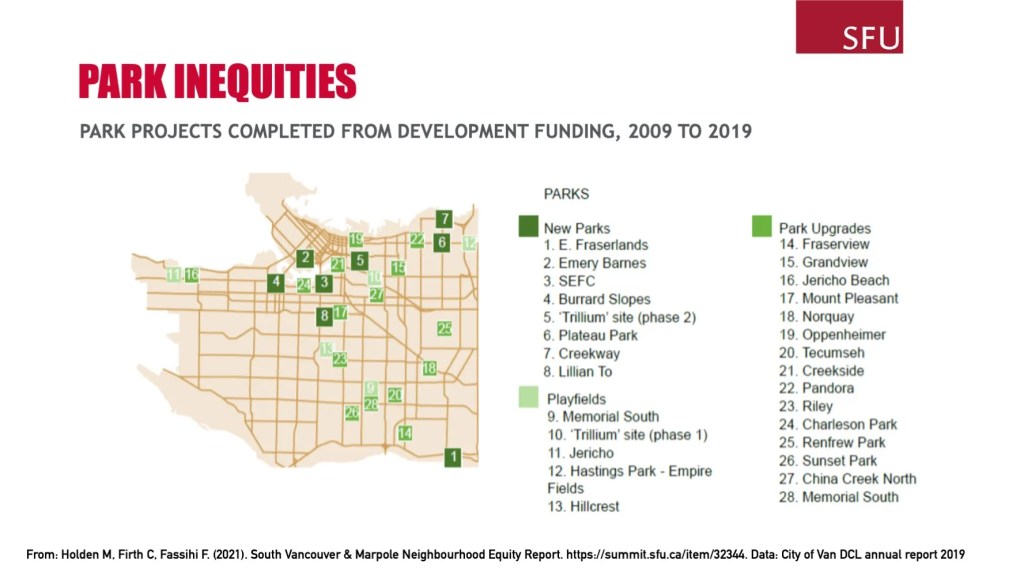
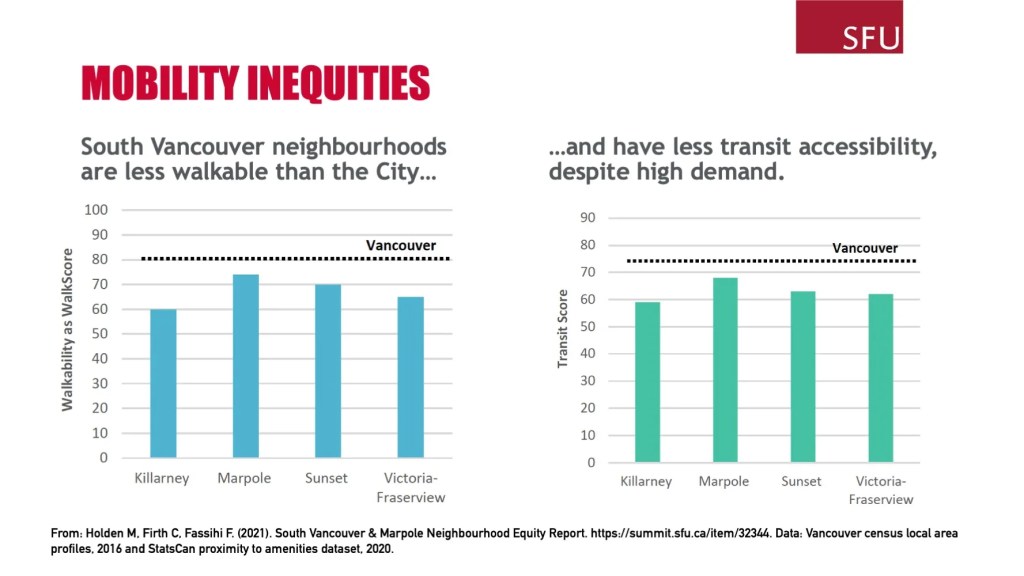
Located on the unceded and ancestral homelands of the Musqueam, Squamish, and Tsleil-Waututh Nations, South Vancouver encompasses the most racially diverse and culturally rich neighbourhoods in all of Vancouver. But when it comes to access to social infrastructure—the places and spaces that help us form connections with others and our communities—South Vancouver neighbourhoods are being left behind. Recent research by SFU and the South Vancouver Neighbourhood House revealed that the funding and allocation of social infrastructure and services in these neighbourhoods falls far below the city average, including access to parks, transit, infrastructure for walking and biking, grocery stores, and sports and recreational facilities. The downstream implications of these structural inequities are striking: levels of mental health, physical activity, and social connectedness among residents of South Vancouver are among the lowest in the city. The area is also home to close to a quarter of Vancouver’s youth—an age group that relies heavily on social infrastructure while tending to be at the greatest risk of social isolation and loneliness, especially since the COVID-19 pandemic.
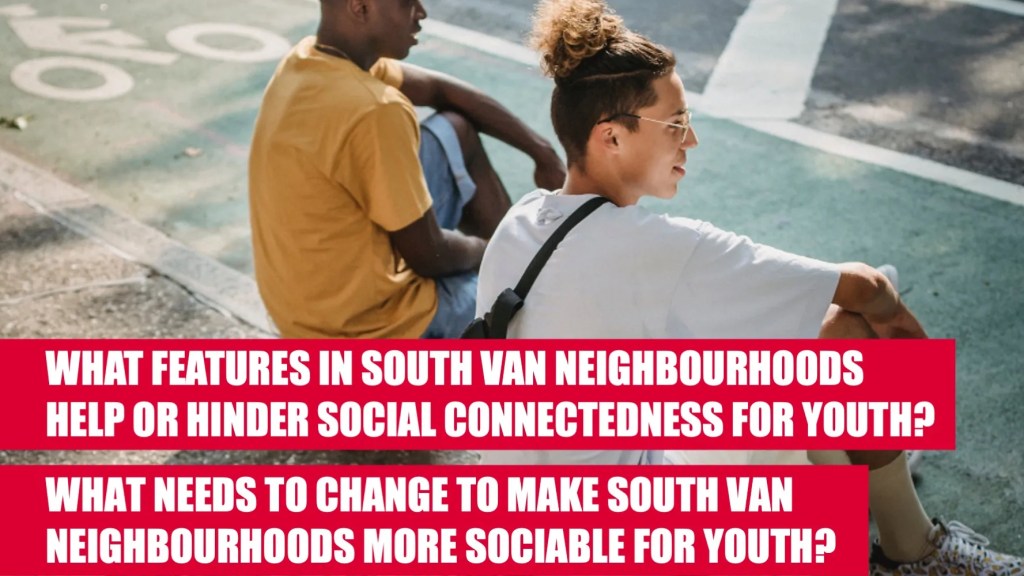
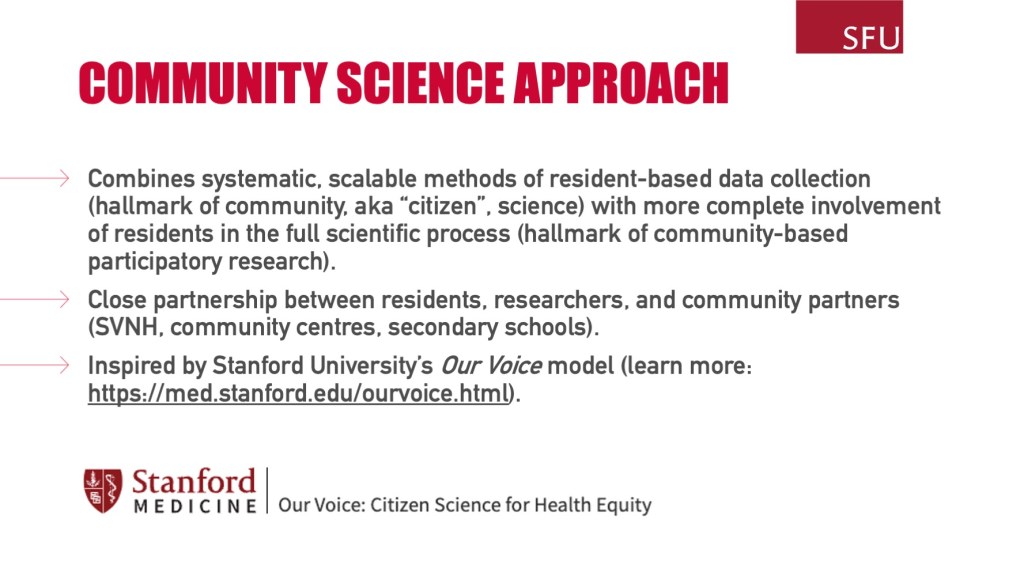
We launched Youth.hood to get a better understanding of how neighbourhood environments impact social connectedness for youth in under-resourced communities like South Vancouver. Using a community-based participatory approach, we set out to learn: What neighbourhood features help or hinder social connectedness for youth? What environmental barriers impact young people the most, and what solutions do they have for addressing them?
About the project
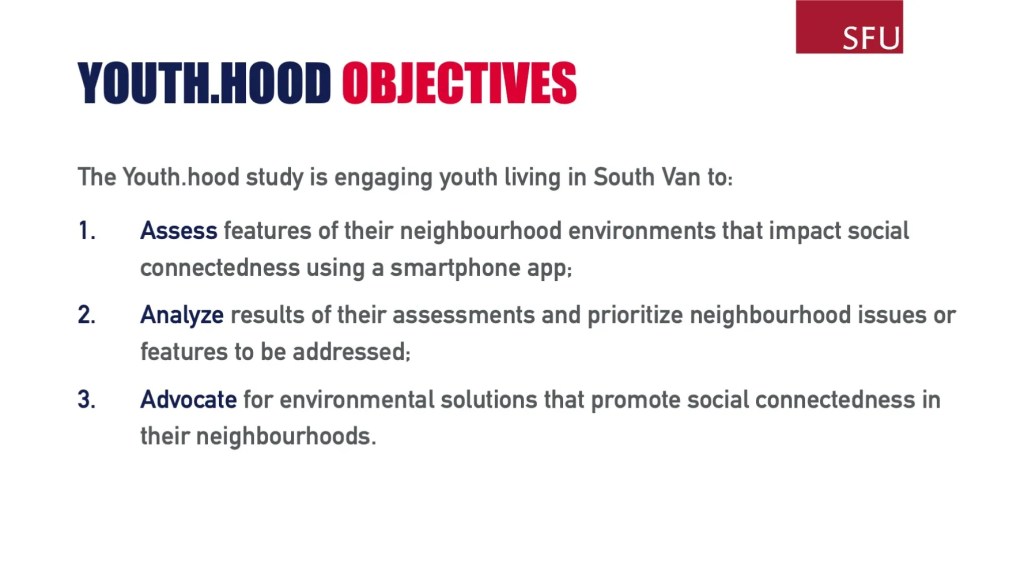
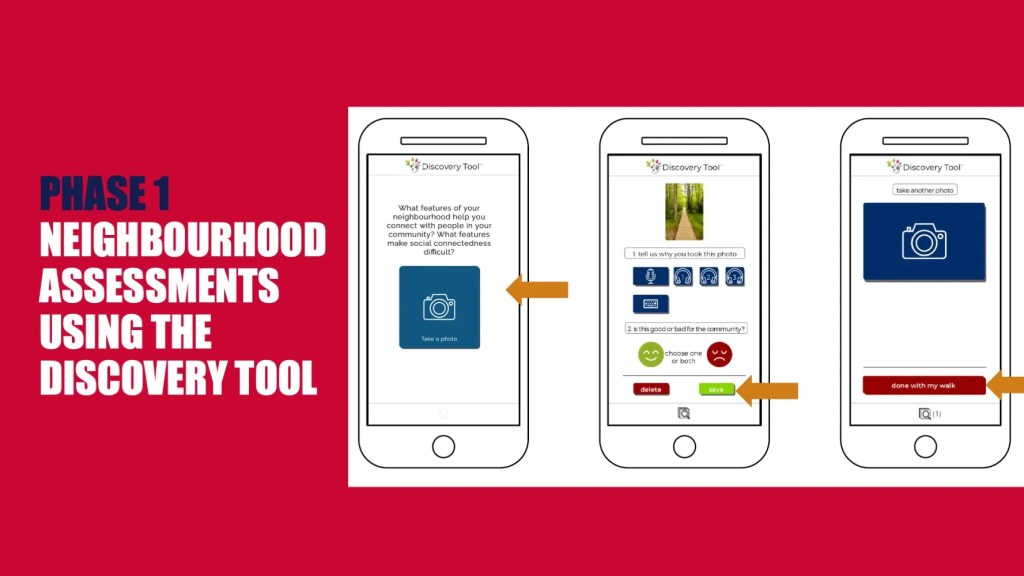
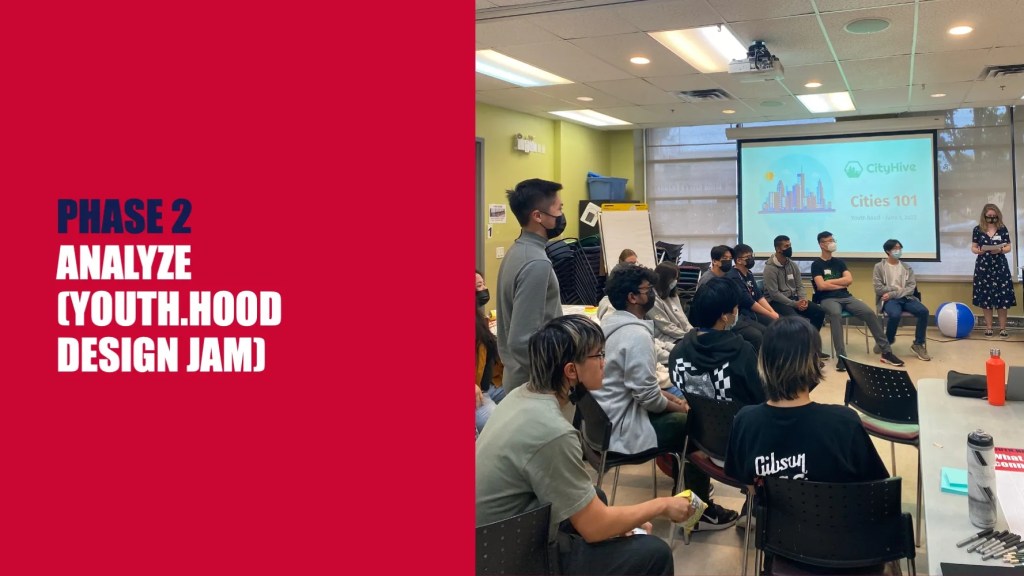
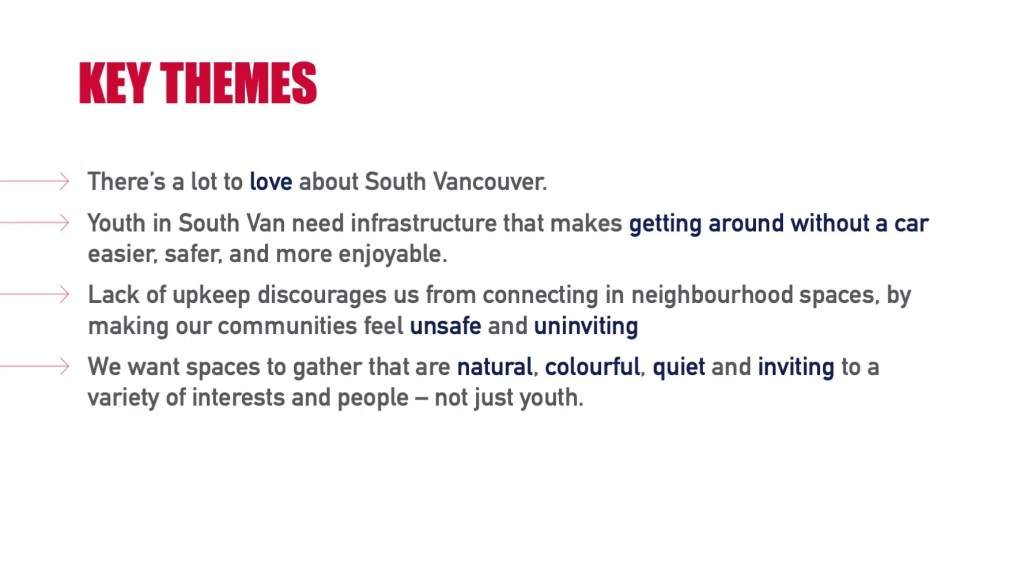
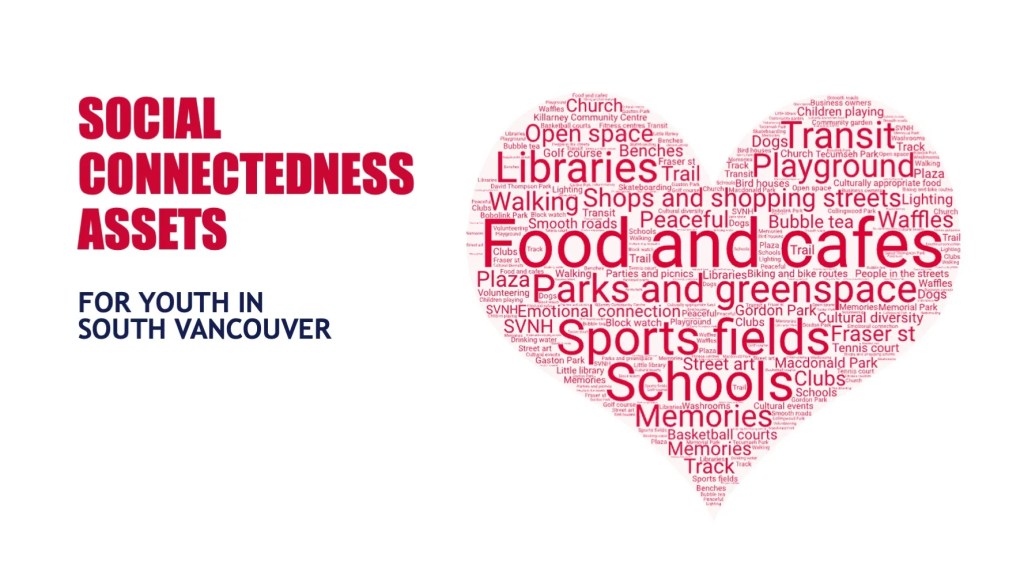
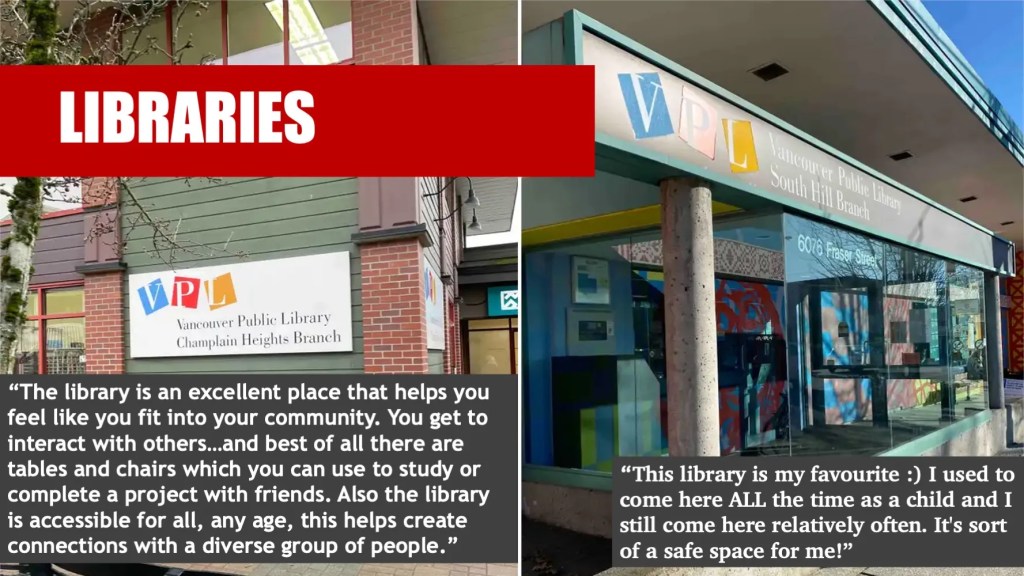
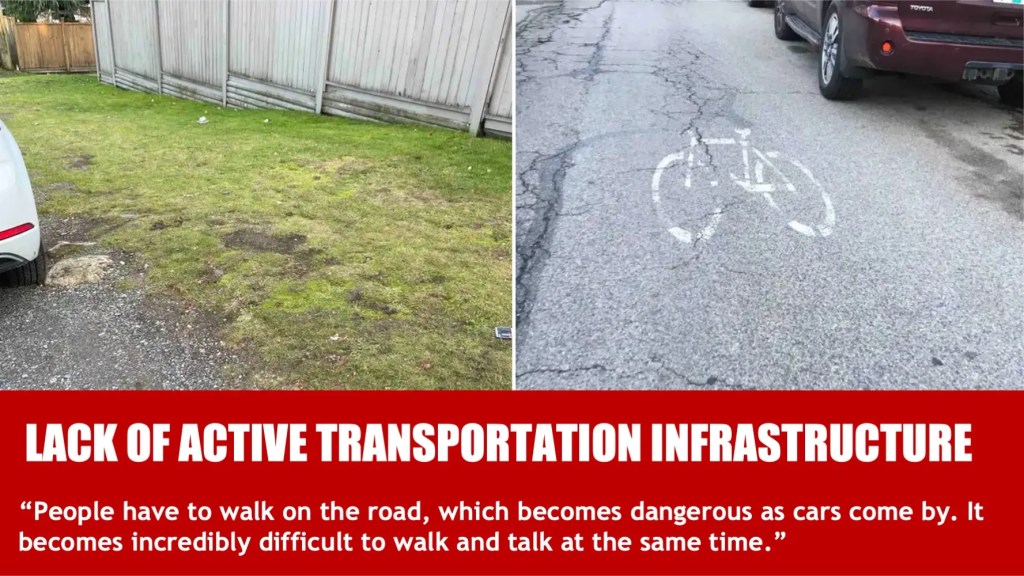
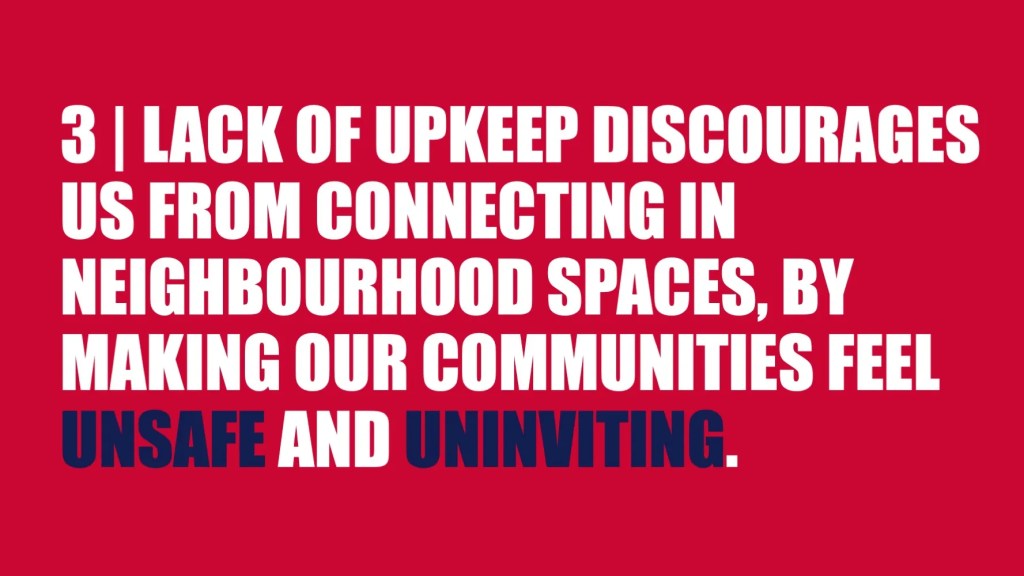
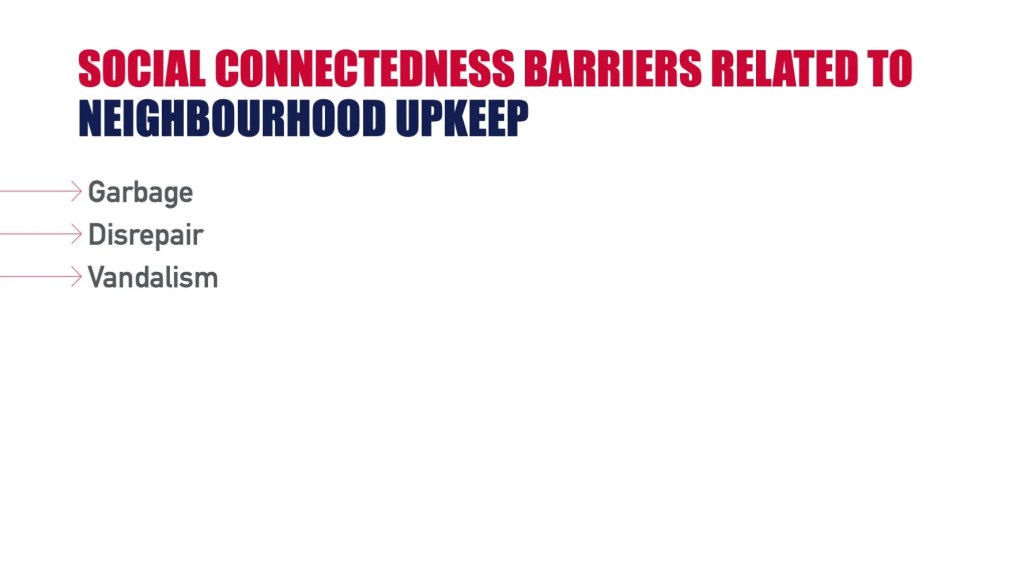
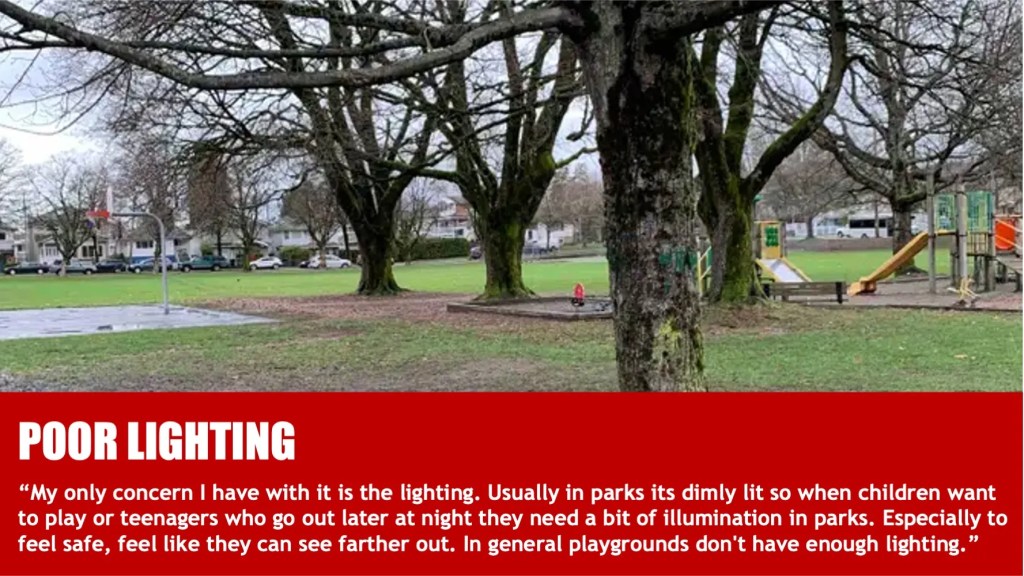
For the past two years, 42 racialized youth from across South Vancouver have participated as community scientists in Youth.hood. They’ve identified close to 200 features of their neighbourhood environments that help or hinder their connectedness, prioritized issues to address, designed solutions for neighbourhood improvement, and advocated for action all the way to City Hall. Their results point to the critical role that social infrastructure plays in promoting individual and community connectedness for youth—and how inadequate transit and active transportation infrastructure, poor neighbourhood upkeep, and a shortage of restorative and youth-friendly public spaces in South Vancouver are major barriers to their social wellbeing.
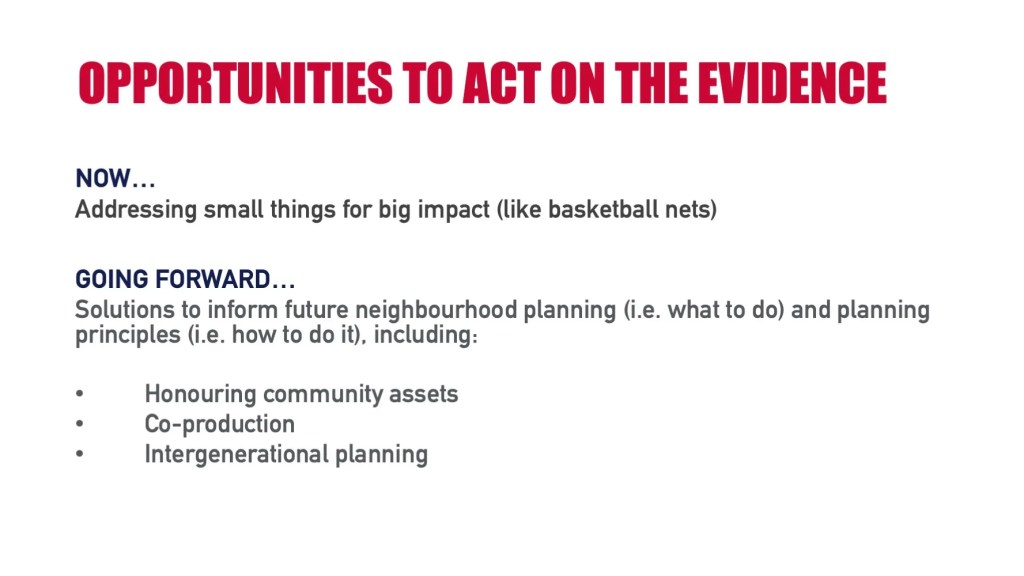
For a closer look at our study and findings, check out this presentation from our Youth.hood Ambassadors:













What’s next?
In June 2023—after a monumental community engagement, research, and advocacy effort led by the South Vancouver Neighbourhood House—Vancouver City Council approved a motion to address ongoing social infrastructure inequities facing South Vancouver residents. Among its many calls to action is a direction that staff review results from Youth.hood and use them to inform future engagement, neighbourhood improvement, and policy and funding allocation decisions at the City of Vancouver.
We’re now focused on packaging and mobilizing Youth.hood’s findings to guide planning efforts locally, and inform knowledge on the design of socially connected, healthy, and sustainable cities for youth more broadly. Stay tuned!
Latest news and activities
- February 2025 | Read Meridith Sones’ paper (Dis)connected by design? Using participatory citizen science to uncover environmental determinants of social connectedness for youth in under-resourced neighbourhoods. BMC Public Health
- February 2024 | Meridith Sones is awarded a 2023 Community-Engaged Graduate Scholar Award from SFU CERi. Learn more
- January 2024 | Reframing South Van project gets $161,000 in funding from city. Learn more
- December 2023 | Youth.hood team secures a Michael Smith Reach award. Learn more
- November 2023 | Knowledge Mobilizers: Creating meaningful change through community partnerships. Learn more
- October 2023 | Youth.hood Ambassadors present transportation-related findings at SVNH Ministers Forum.
- June 2023 | Vancouver City Council approves motion to address ongoing social infrastructure inequities and access to services across South Vancouver. Learn more
- June 2023 | South Vancouver residents flood council chamber, demand lack of services be addressed. Learn more
- June 2023 | South Vancouver’s lack of services, social spending subject of upcoming council vote. Learn more
- April 2023 | Recap – Presentation to the City of Vancouver on South Vancouver Inequities. Learn more
- February 2022 | SFU CERi awards South Vancouver Neighbourhood House with a Community-Engaged Partnership Award. Learn more
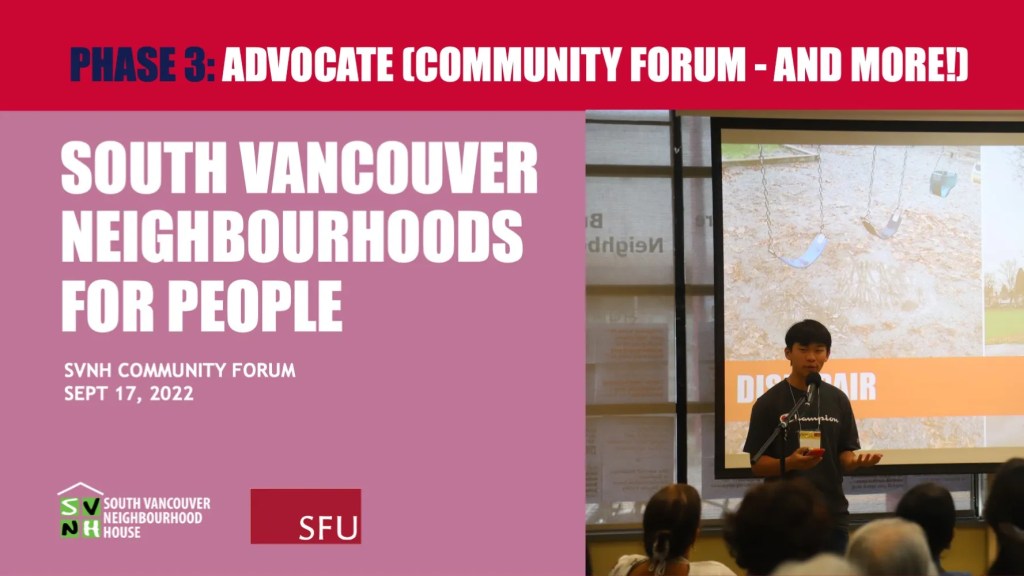
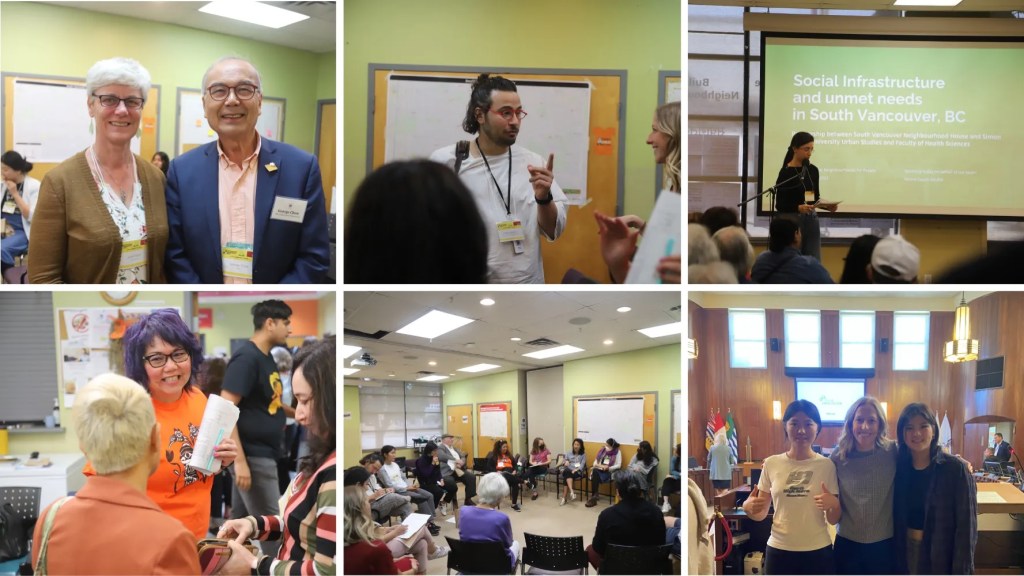
- Sept 2022 | Recap – South Vancouver Neighbourhood House Community Forum: “South Vancouver Neighbourhoods for People”. Learn more
Our leadership team
- Meridith Sones, MPH, PhD(c) | Youth.hood Research Lead, SFU Faculty of Health Sciences
- Mimi Rennie | Executive Director, South Vancouver Neighbourhood House
- Meg Holden, PhD | Co-investigator, SFU Urban Studies
- Meghan Winters, PhD | Co-investigator, SFU Faculty of Health Sciences
- Megan Moy | Youth.hood Ambassador
- Emily Eng | Youth.hood Ambassador
- Lance Cabrigas | Youth.hood Ambassador
- Lucas Chan | Youth.hood Ambassador
- Rowan Gentleman-Sylvester | Executive Director, CityHive
For our participants
Thanks for being awesome! Now that the research component of our study is complete, we’re busy building products and tools to share the results of your research with those who have the power to act on it. We’ll be in touch soon to invite your feedback on what we have in the works.
Information and consent form for participants
Information for parents and caregivers
Thanks to our funders
Youth.hood is supported by funding from SFU’s Community-Engaged Research Initiative (CERi), the Social Sciences and Humanities Research Council (SSHRC), and Michael Smith Health Research BC (Health Research BC).
Connect with us
For questions and further info, get in touch with Meridith (Youth.hood Research Lead) at msones@sfu.ca.




 Cities, Health, and Active Transportation Research